In 2026, the “home office” has evolved from a temporary kitchen-table setup into a dedicated sanctuary for deep work. The trend is shifting toward “Cognitive Ergonomics”—designing a space that doesn’t just support your back, but also your brain. Whether you are a full-time remote developer, a creative artist, or a student, your environment directly impacts your output.
In this guide, we are exploring 10 Work Space Ideas that range from high-tech command centers to minimalist nooks. These setups are designed to help you enter “flow state” faster and stay there longer. Let’s build a workspace that works as hard as you do!
1. The “Deep Work” Minimalist Desk
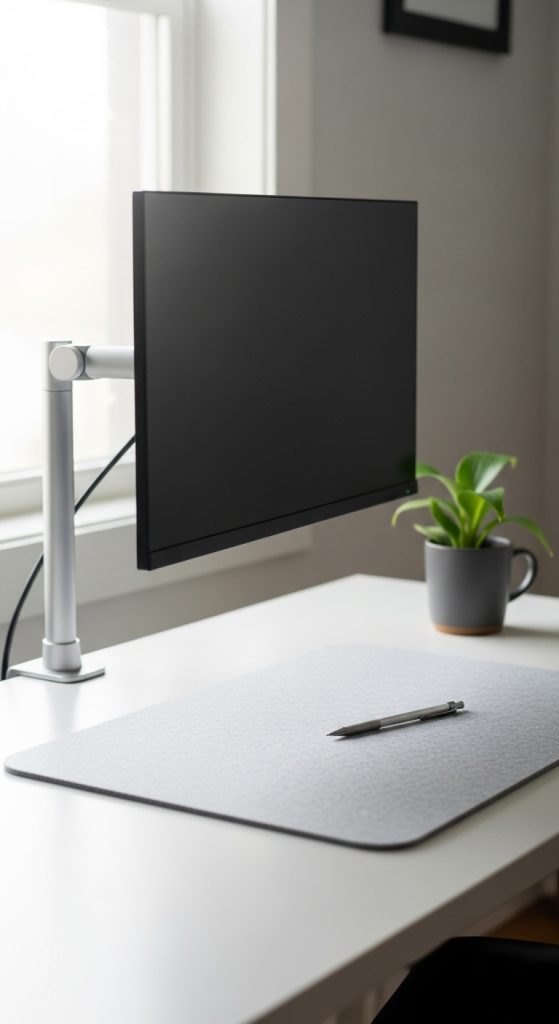
Eliminating visual clutter is the fastest way to reduce mental fatigue. A minimalist workspace features a clean desk surface, hidden cables, and a neutral color palette. By removing distractions, you allow your brain to focus entirely on the task at hand.
- Key Elements:
- An oversized desk mat (felt or leather) to define the workspace.
- Under-desk cable management trays.
- A single, high-quality task lamp.
- Pro Tip: Use a monitor arm to lift your screen off the desk; this creates “negative space” that makes the desk feel much larger.
2. The Biophilic “Jungle” Office
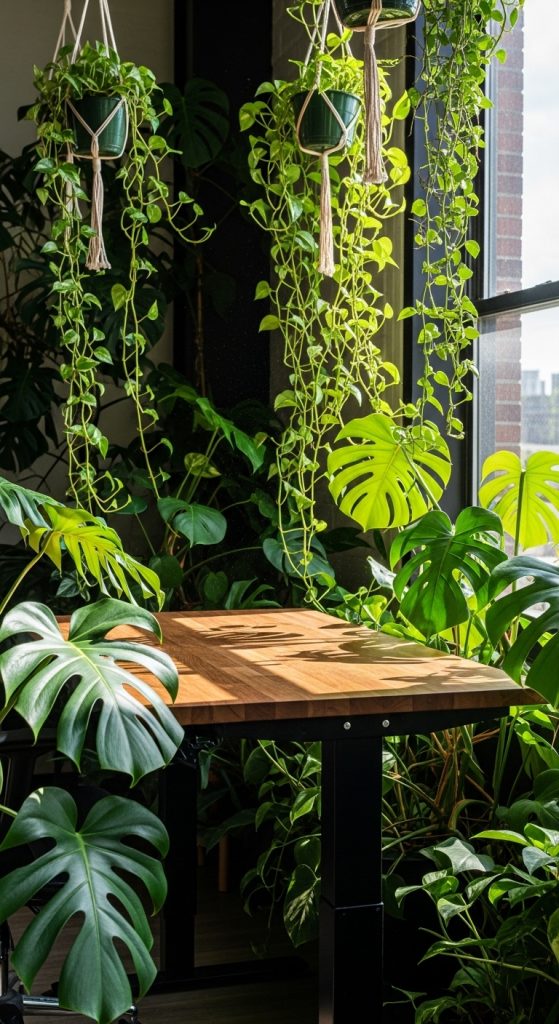
Bringing nature indoors isn’t just for looks—it’s proven to lower stress and increase creativity. A biophilic workspace is filled with air-purifying plants, natural wood textures, and plenty of sunlight.
- Key Elements:
- Trailing plants like Pothos on high shelves.
- A standing desk made of live-edge wood.
- A small desktop water fountain for calming white noise.
- Pro Tip: Place your desk facing a window. Looking at greenery for 20 seconds every 20 minutes helps reduce eye strain.
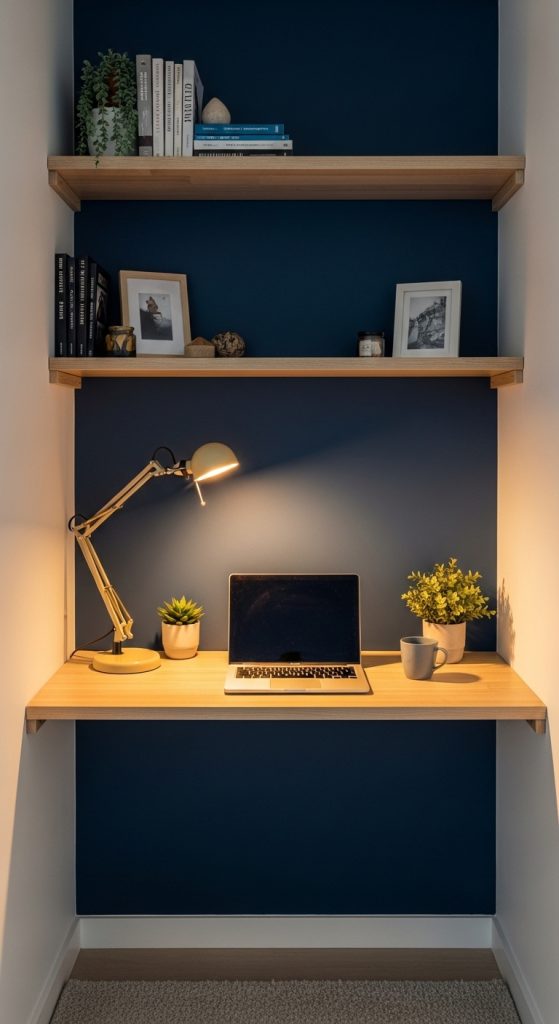
3. The “Clozoffice” (Closet Office)
If you don’t have a spare room, look to your closet. By removing the doors and installing a floating desk, you can create a dedicated “work zone” that can be hidden away at the end of the day. This is the ultimate small-space hack for 2026.
- Key Elements:
- Vertical wall shelving for storage.
- A comfortable, low-profile task chair that tucks in completely.
- Bright, overhead LED strip lighting to keep the “cave” feeling away.
- Pro Tip: Use a decorative curtain instead of a door so you can physically “close” your work life when the day is done.
4. The High-Tech “Command Center”
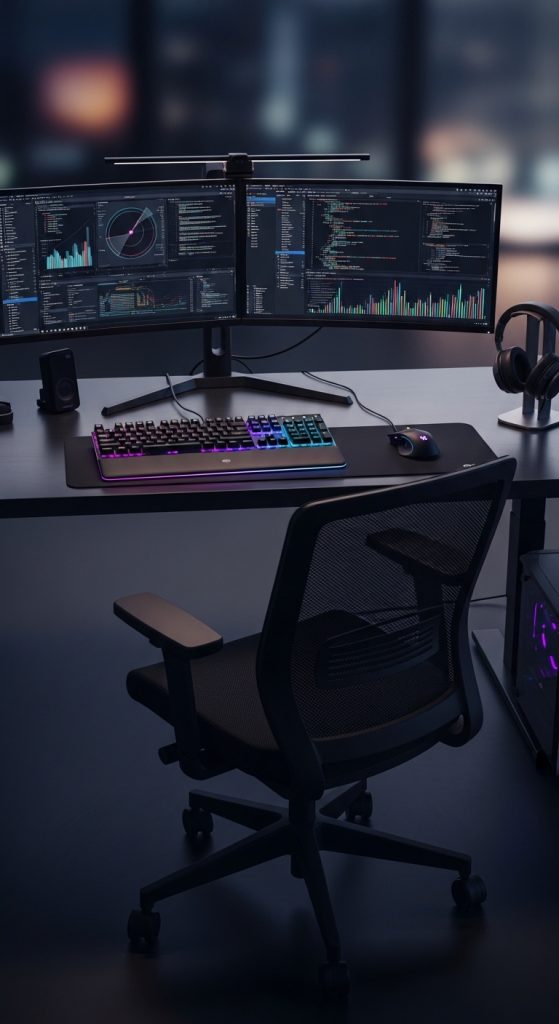
For developers, gamers, or data analysts, the Command Center is all about performance. This setup prioritizes multiple monitors, ergonomic peripherals, and high-speed connectivity.
- Key Elements:
- Dual or ultra-wide curved monitors.
- Mechanical keyboard and vertical ergonomic mouse.
- A high-back mesh ergonomic chair with adjustable lumbar support.
- Pro Tip: Install bias lighting (LED strips) behind your monitors to reduce the contrast between the screen and the wall, preventing headaches.
5. The Active “Walking” Station
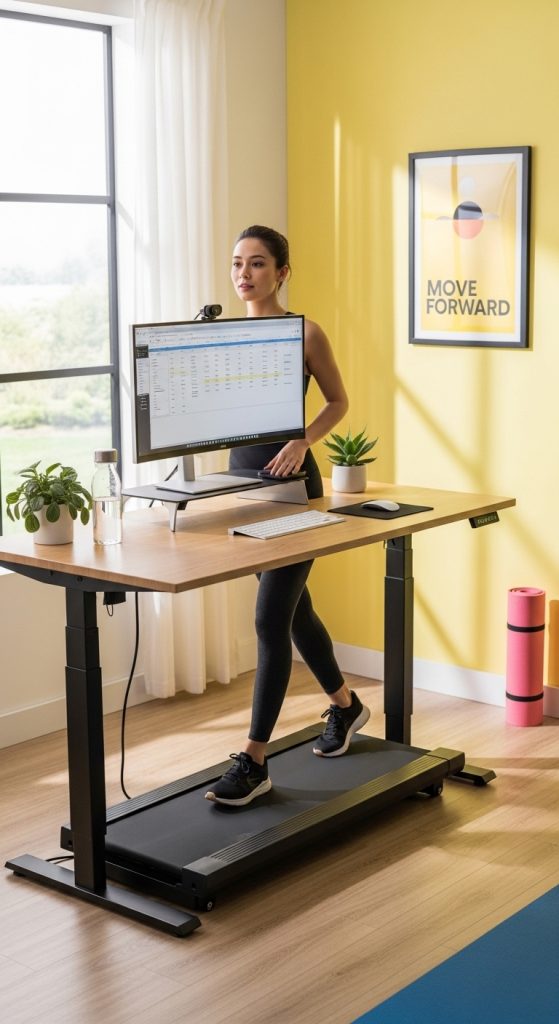
Sitting is the new smoking, and the active workspace is the cure. By pairing a standing desk with an under-desk treadmill (walking pad), you can stay moving while answering emails or attending meetings.
- Key Elements:
- Electric height-adjustable standing desk.
- Slim, quiet under-desk treadmill.
- A balance board for when you want to stand but not walk.
- Pro Tip: Keep a pair of dedicated “desk sneakers” nearby so you’re always ready to get those steps in without thinking about it.
6. The Mood-Boosting Monochrome Space
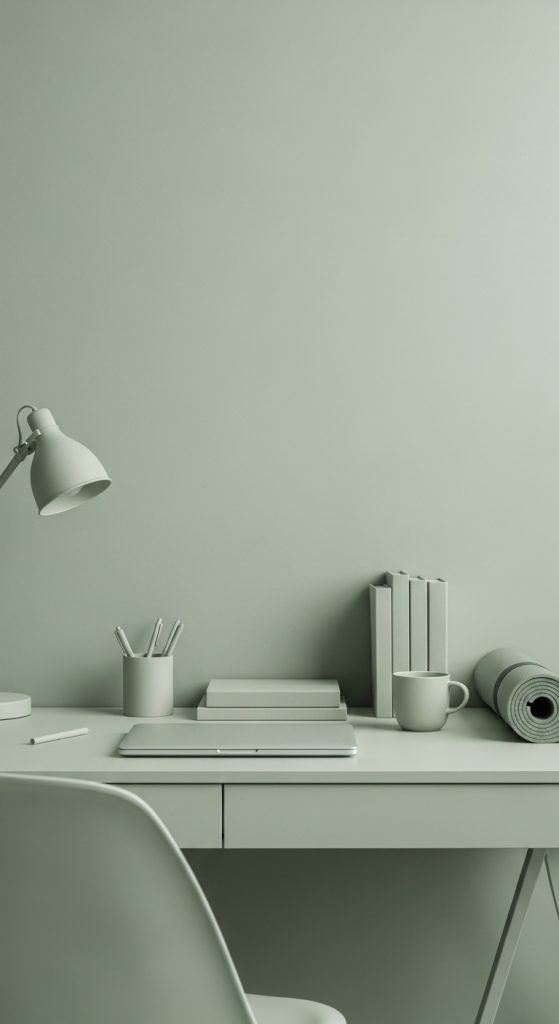
Color psychology plays a huge role in productivity. A monochromatic workspace—where the walls, desk, and accessories are all shades of the same color—creates a sense of calm and order.
- Colors for 2026:
- Soft Sage: For calm and focus.
- Deep Navy: For authority and deep thought.
- Terracotta: For warmth and creative energy.
- Pro Tip: Match your desktop wallpaper to your wall color to create a seamless, immersive environment.
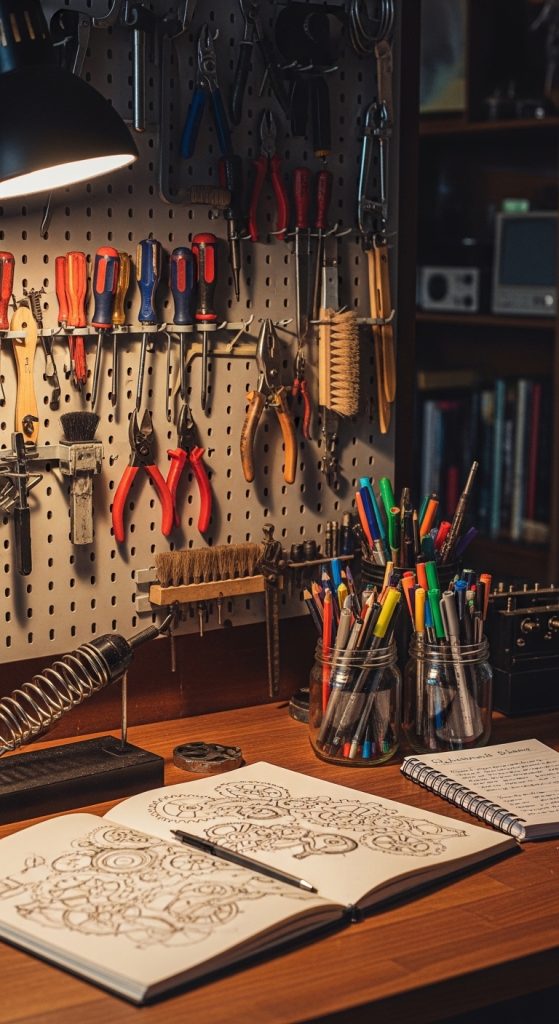
7. The Creative “Analog” Corner
If your work involves sketching, brainstorming, or planning, you need an analog zone. This space moves away from screens and focuses on physical tools like whiteboards, mood boards, and notebooks.
- Key Elements:
- A large corkboard or pegboard wall.
- A dedicated secondary table for “hands-on” work.
- A library of physical reference books and magazines.
- Pro Tip: Use a “Project Cart” on wheels to move your pens, paints, and tools from your main desk to your analog corner.
8. The Floating Window Nook
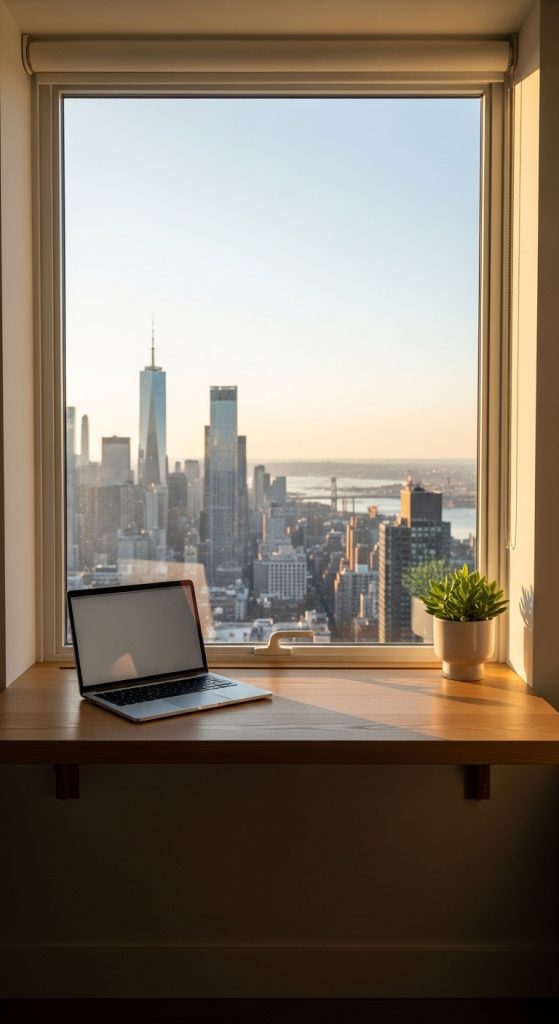
Turning a window area into a workspace provides the best “perk” of an office: a view. A simple thick wooden board mounted across a window frame creates a floating desk that feels light and airy.
- Key Elements:
- A “floating” shelf desk (supported by brackets).
- Sheer blinds to control glare on your screen.
- A cozy rug underneath to anchor the small space.
- Pro Tip: Ensure your desk is at the correct ergonomic height (roughly 28–30 inches) even if it’s a custom-mounted shelf.
9. The Industrial “Pipe & Wood” Desk
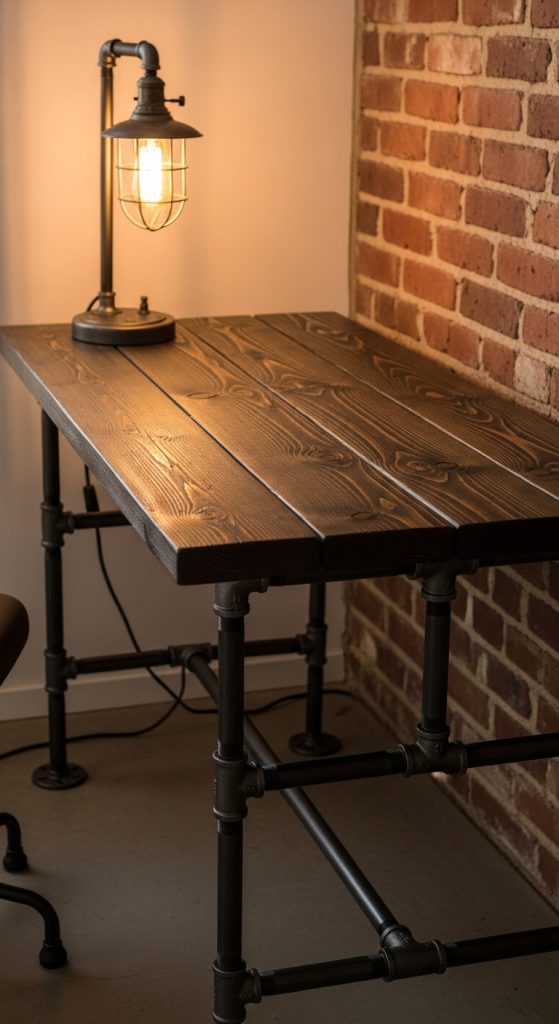
For a workspace with a bit of “edge,” the industrial look is timeless. Using black iron pipes and stained wood planks, you can build a custom, heavy-duty desk and shelving system that looks like a high-end loft.
- Key Elements:
- DIY pipe-leg desk frame.
- Edison-bulb lighting for a warm, vintage glow.
- Metal mesh organizers for paperwork.
- Pro Tip: Sand your wood planks to a high grit and use a matte wax finish to make the wood feel smooth and expensive.
10. The Sound-Optimized “Acoustic” Studio
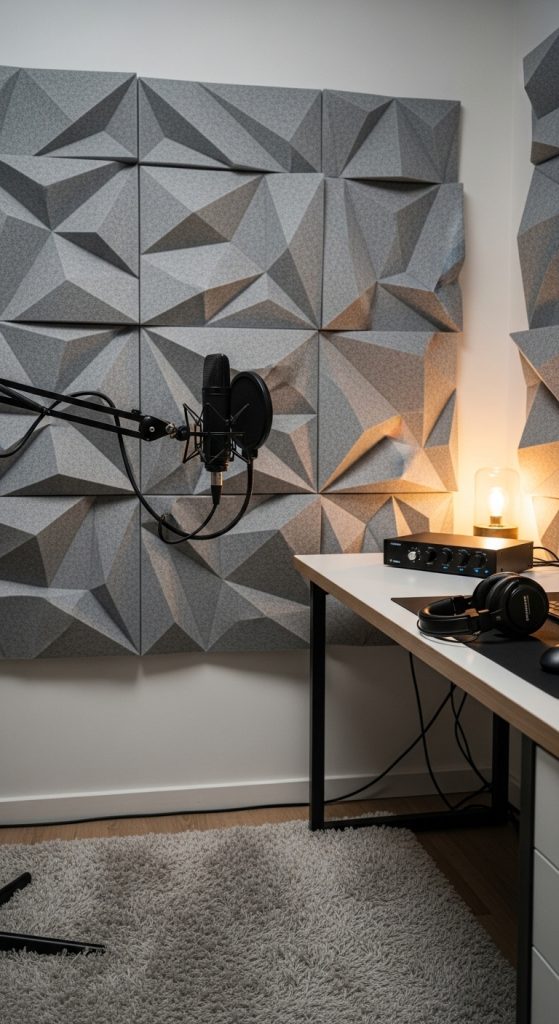
If you spend your day on calls or recording content, sound is your biggest priority. An acoustic workspace uses soft materials to absorb echoes, making your voice sound professional and clear.
- Key Elements:
- Decorative acoustic wall panels (felt or cork).
- A heavy area rug to dampen floor noise.
- A high-quality microphone on a boom arm.
- Pro Tip: Hang thick “soundproof” curtains—they don’t just block light; they significantly reduce the noise coming from outside your window.
Common Workspace Mistakes to Avoid
- Poor Lighting: Never rely on a single overhead light. You need a mix of natural light, task lighting (desk lamp), and ambient light (backlighting).
- Ignoring Ergonomics: A beautiful chair that hurts your back isn’t worth it. Invest in a chair that supports your spine.
- The “Cable Jungle”: Visible tangled wires create visual stress. Use clips, sleeves, or boxes to keep them hidden.




Leave a Reply